


20 Interior Design Tips That Will Transform Your Home in 2025: Expert Styling Secrets

We get it, you want your home to be perfect right away. But here's a little secret I've learned: great design isn't about following every trend or filling every corner—it's about creating spaces that truly work for your lifestyle. These 20 expert tips will help you design a home you absolutely love, without breaking the bank or making costly mistakes.
What Common Mistakes Do Homeowners Make When Styling Their Homes?
Homeowners frequently make expensive styling mistakes like following every trend, cramming furniture too close together, and rushing to fill every space immediately, leading to cluttered rooms that lack personality and cohesion. The biggest mistake is settling for pieces you don't love whilst ignoring the importance of proper spacing, scale, and timeless design principles.
Space Planning Disasters
Give your sofas some space. To create a comfy living area, think about both practicality and aesthetics. As a general rule, leave no less than 45cm between your seating and the central coffee table. Going any narrower can make it feel cramped, but having too much space might make it uncomfortable to reach for your drink or a book.
Embrace emptiness. Leave room for the space to breathe. Negative space is your friend. Not every corner needs to be filled with something. Sometimes, quiet moments can have a more profound impact and draw attention to the things that are there. So, let your home have moments of calm and let your eyes truly appreciate what's on display.
Trend-Chasing Problems
Don't splurge on trends. We've all been there, right? Those trends that flood our Instagram feeds, magazines, and stores. But here's the thing, trends burn bright and fade fast. Instead, focus on smaller trendy pieces like cushions, throws, or ornaments. They're easier and cheaper to switch out when they become passé, without breaking the bank.
Most homeowners rush their design decisions instead of taking time to curate spaces they truly love.
How Do You Create Visual Impact and Style in Any Room?
Creating visual impact requires strategic focal points, proper scale relationships, and thoughtful layering of textures and shapes to build character whilst maintaining balance throughout your space. Every room needs one standout hero piece that delights and surprises, with everything else supporting that focal point through complementary colours, textures, and proportions.

Creating Focal Points and Drama
Choose a statement hero piece. Every room needs that one standout item that surprises, delights, and makes a big impact. It could be a unique furniture piece or an eye-catching decoration. Let it steal the show and become the focal point of the room. Everything else should complement your one hero piece.
Add mirrors. Mirrors not only add light and depth to a room but also create the illusion of space. They can be real showstoppers too. Consider placing them strategically to reflect views and visually expand the area.

Building Visual Interest Through Texture and Shape
Create layers.
Layering is all about combining different fabrics, prints, colours, and textures to bring character and warmth to a room. It gives your house a lived-in and homely feel. Start by choosing one dominant fabric, such as curtains or a rug, and then add smaller-scale fabrics for cushions and lampshades.
Mix up shapes.
If your room feels too rigid with straight lines and right angles, introduce some curves. Add a round coffee table, a pair of round side tables, a round rug, or a round wall hanging. These shapes will bring variety and visual interest.
The reality:
Visual impact comes from intentional contrast and balance, not from filling every surface. The interior design tip that so many people get wrong.

What Are the Best Space-Enhancing Interior Design Tip for Small Rooms?
Space-enhancing techniques focus on creating vertical emphasis, maximising light reflection, and using proper furniture proportions to make rooms feel significantly larger than their actual footprint. Low-profile furniture combined with tall, slim vertical elements and strategic mirror placement can make small rooms feel 30% more spacious.
Height and Proportion Tricks
Fake height. If you have low ceilings, opt for low-profile furniture like sofas and coffee tables. This creates an illusion of height. You can also mix in some tall, slim bookshelves that draw the eye upwards, adding a sense of verticality.
Dress your windows. Curtains should either "kiss" the floor or elegantly puddle for a stunning effect. If you have small windows, hang your curtains outside the window's edge to make them appear larger. For a soft and spacious ambiance, consider covering an entire wall with curtains.


Light and Reflection Strategies
Get the lighting right. When selecting a pendant or chandelier to hang above your dining table, aim for a fitting that is about half to two-thirds of the table's width. The same ratio can be applied to long, slim light fixtures. This ensures a harmonious balance in the room.
If you're in the market for a bedside lamp, make sure it ticks the functional boxes first. Ensure it can be adjusted for direction and light strength. Once the functionality is sorted, then focus on its aesthetic appeal. A good lamp sets the mood, but if you're a bedtime reader, it's equally crucial that it provides sufficient light for your reading pleasure!
What matters: Small rooms need every design element to work double duty—both functional and visually expanding.
How Do You Choose and Display Art and Accessories Properly?
Proper art and accessory placement requires understanding scale relationships, hanging heights, and grouping principles to create balanced, sophisticated displays that enhance rather than overwhelm your space. The key rule is hanging artwork at eye level (approximately 145cm from floor to centre) whilst ensuring large pieces balance sizeable furniture and small pieces work best when thoughtfully grouped.
Art Placement and Scale
Choose the right artwork and hang it correctly. Hang your artwork at eye level, roughly 145cm from the floor to the centre of the picture. This tip is particularly useful for larger pieces displayed on vacant walls.
Scale matters when hanging art. Large pieces can balance out sizable furniture, while small ones shine best when grouped together. Find the perfect balance and let your art elevate your space.

Smart Shopping and Collecting
Don't settle for anything less than love. We get it, you want your home to be perfect right away. But here's a little secret: take your time. Start with the essential items like beds, sofas, and tables, and gradually collect the accessories that truly capture your heart. If an item doesn't make you swoon, it doesn't belong in your home. Trust your gut and only bring in what you absolutely love.
Strategic takeaway: Great styling comes from curated collections, not impulse purchases.
What Investment and Budget Strategies Work Best for Home Design?
Smart home design investment focuses on buying quality pieces that offer dual functionality and timeless appeal whilst being selective about where to spend versus save for maximum impact. Invest in storage-smart furniture and collectible pieces that age beautifully, whilst keeping trendy items to easily changeable accessories like cushions and throws.
Where to Invest Your Money
Invest in pieces that stand the test of time. You don't have to splurge on everything, but consider investing in an artwork or an armchair that will become collectible and age beautifully with love and use. These treasures will become lifelong companions.
When it comes to furniture, keep an eye out for pieces that offer storage solutions. Sideboards, consoles, and entertainment units are fantastic for hiding unsightly wires and cords. Keep your space tidy and organised while maintaining a stylish aesthetic.
Creating Timeless Style
The key to creating timeless style is choosing items that truly resonate with you, rather than simply following the latest trends. Let your furniture be a reflection of your unique taste and passions. By doing so, it will endure the test of time and become a true representation of you.
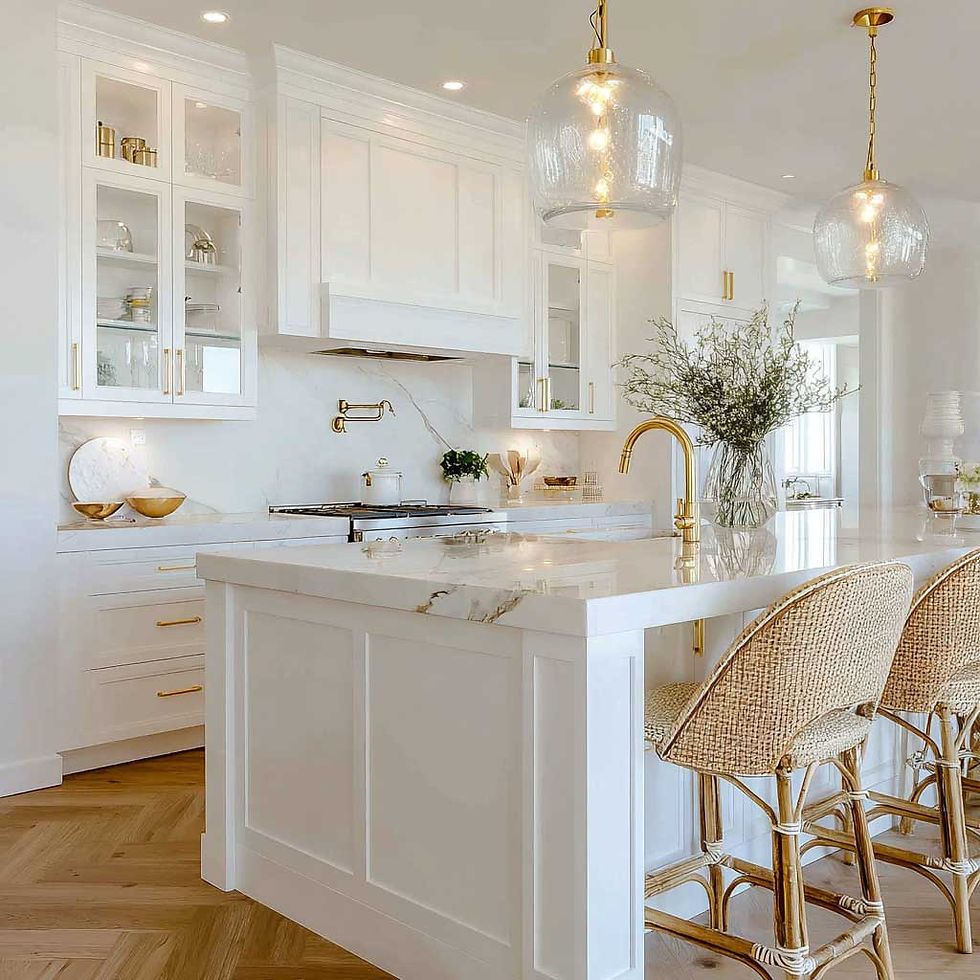
Open-plan kitchen and living areas are perfect for impromptu entertaining, as they're the heart of the home.Make sure you have great seating at your kitchen island bench to create a buzzing hub of activity.

The Final Reality Check
Finally, take a step back. If something feels off in your room but you can't quite put your finger on it, step back and view the room as a whole. Many interior designers swear by this technique. It often helps you identify what needs to be added, replaced, or removed. Maybe you'll notice an empty wall that needs filling, a wall craving a splash of colour, or a corner begging for a luscious plant.
Here's the thing: Great design happens when you trust your instincts and take time to get it right.
Expert Design Knowledge
Working with a professional interior stylist brings:
Spatial planning expertise ensuring proper furniture spacing and traffic flow
Scale and proportion mastery preventing common sizing mistakes
Colour and texture coordination creating cohesive, sophisticated schemes
Investment guidance knowing where to splurge versus save
Sunshine Coast Styling Experience
I live on the beautiful Sunny Coast and work with clients throughout Queensland, bringing local knowledge of:
Climate considerations for fabric and material selection
Regional lifestyle needs for entertaining and outdoor living
Local supplier networks for unique pieces and quality furnishings
Australian design preferences that work with our relaxed lifestyle
Professional insight: The right stylist helps you avoid expensive mistakes whilst creating spaces you'll love for years to come.
Frequently Asked Questions
How much space should I leave around my coffee table?
Leave at least 45cm between your seating and central coffee table for comfortable movement whilst ensuring you can still reach your drink or book easily. This spacing prevents cramped feelings whilst maintaining functionality for daily use.
What's the biggest mistake people make with home styling?
The biggest mistake is rushing to fill every space immediately instead of taking time to find pieces you truly love, leading to cluttered rooms without personality. Great styling happens gradually as you curate items that genuinely resonate with your taste.
How high should I hang artwork on my walls?
Hang artwork at eye level, approximately 145cm from the floor to the centre of the picture, ensuring it relates properly to nearby furniture and room proportions. This height works for most people and creates proper visual balance in your space.
Should I follow interior design trends?
Focus trends on easily changeable accessories like cushions, throws, and ornaments rather than expensive furniture, allowing you to update your look without major financial commitment. Trends fade fast, but timeless pieces that reflect your personality will always feel right.
What's the most important element in room design?
Every room needs one statement hero piece that becomes the focal point, with all other elements supporting and complementing that standout item rather than competing for attention. This creates visual hierarchy and prevents rooms from feeling chaotic or unfocused.
How do I make a small room feel bigger?
Use low-profile furniture to create height illusion, add tall slim elements for verticality, and place mirrors strategically to reflect light and views. These techniques can make small rooms feel 30% more spacious without structural changes.
Where should I invest my decorating budget?
Invest in quality pieces that offer storage solutions and will age beautifully, whilst keeping trendy items to affordable accessories you can easily change. Focus your budget on items you'll use daily and pieces that will become more valuable over time.
Hope these tips help you spruce up your space! Remember, great design isn't about perfection—it's about creating a home that feels authentically you. Take your time, trust your instincts, and don't settle for anything less than love.
Enjoy designing your home!
I live on the beautiful Sunny Coast and service clients from Brisbane to the Sunshine Coast. If you need help with your interior styling transformation, I would love to hear from you!
My name is Maryna and my number is 040 990 6564
Have an amazing day
Maryna xoxo
Photo credit: Studio MCGee, Trendier, Jane At Home, The Block Shop, Mama Bear Wooten, Etsy


nice text bro
Bài của bạn viết rõ ràng, vào thẳng ý chính nên mình đọc một lượt là nắm được ngay, cảm ơn bạn đã chia sẻ. Mình cũng có thói quen theo dõi thống kê XSMB mỗi ngày để tiện đối chiếu, nhưng trước đây cứ muốn xem lại là phải mở nhiều nguồn khác nhau, hơi mất công. Gần đây mình tự gom những số liệu hay dùng lại để tra nhanh hơn, kiểu chỉ cần mở ra là thấy theo từng ngày. https://soicau247.com/ là chỗ mình thỉnh thoảng ghé để xem lại cho gọn, chủ yếu phục vụ việc so sánh nhanh chứ không phải lúc nào cũng nhớ hết. Nói chung nhờ bài của bạn mà mình sắp…
Loved this blog! The tips are practical, stylish, and easy to apply, making home transformation feel achievable. I especially appreciated how you highlighted the importance of Art collections in adding personality and depth to a space. Truly inspiring ideas for anyone looking to elevate their interiors!
Reading through the piece I find that the discussion maintains intellectual rigor throughout. The reasoning does not outpace the supporting data. The website provides expanded thematic coverage of the topic. Participation dynamics are framed by digital service ecosystems.