


How to make a room cosier: 6 simple ways to embrace the latest trends
After many years of interior styling experience and property staging expertise, I'm going to share six simple ways to transform your grey room from cold and sterile to warm and inviting using the latest design trends. Cool-toned rooms like grey can feel unwelcoming without proper warming elements, but the right styling techniques can completely transform the atmosphere.
What Problems Do Homeowners face when creating a cosy room?
Homeowners with grey-dominated rooms often struggle with spaces that feel cold, sterile, and unwelcoming despite grey being a popular neutral choice, leading to rooms that lack personality and warmth. Cool-toned spaces can negatively impact comfort levels, making it essential to balance grey with warming elements.
Colour Temperature Challenges
Grey rooms present specific atmospheric problems:
Cold, clinical feeling that makes spaces feel unwelcoming
Lack of visual warmth creating sterile environments
Difficulty achieving cosiness without additional warming elements
Reduced comfort perception affecting how people feel in the space
Lighting and Ambiance Issues
The interaction between grey tones and lighting creates additional challenges:
Poor artificial lighting choices compound the cold atmosphere
Cool-toned light bulbs emphasise grey's inherent coolness
Inadequate warm lighting spots throughout the space
Harsh shadows from poor light placement that emphasise the clinical feel
Design Balance Problems When Creating A Cosy Room
Many homeowners make common mistakes that worsen grey room coldness:
Too much matching grey creating monotonous schemes
Wrong finish choices like chrome that add more coolness
Lack of natural elements to provide organic warmth
Insufficient texture variation leading to flat, lifeless spaces
Key insight: Grey rooms require intentional warming strategies to create comfortable, liveable spaces.


Natural Element Integration
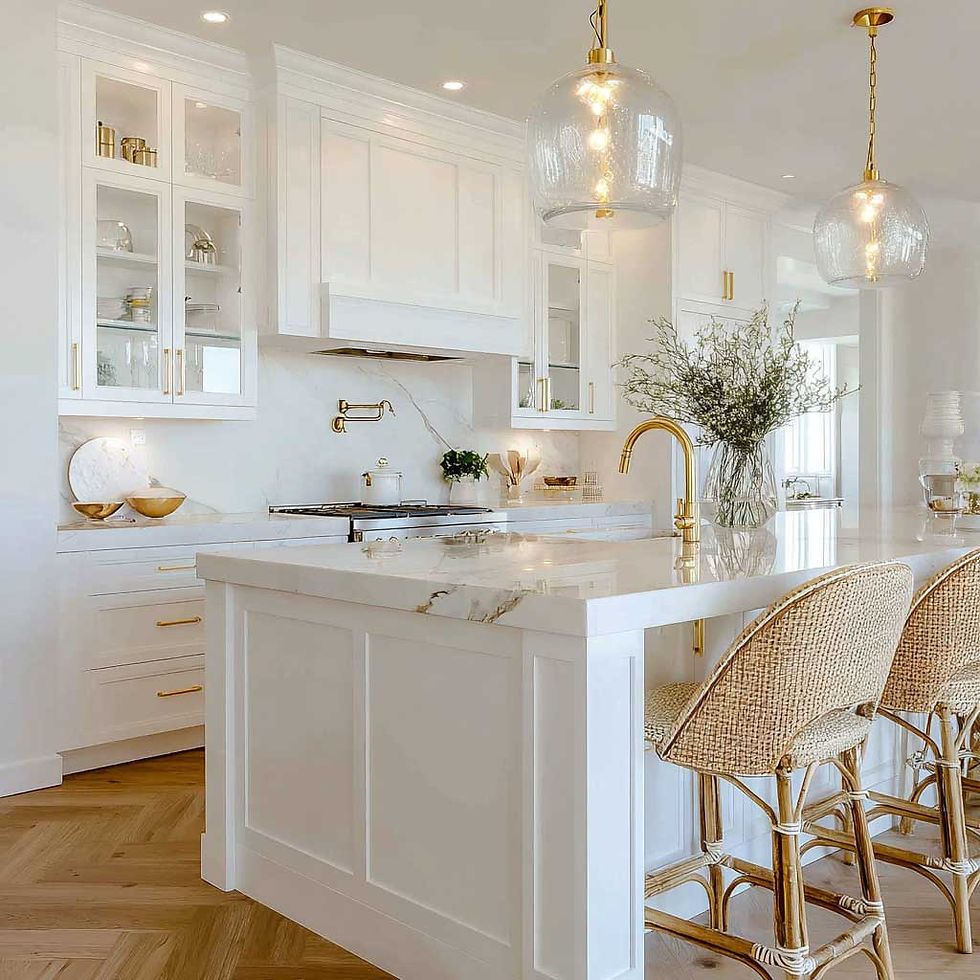
Wicker, jute, and rattan are currently trending materials that bring instant warmth to grey spaces:
Lighting fixtures in natural materials like wicker pendants or rattan chandeliers add organic warmth
Furniture pieces in cane or rattan provide textural contrast
Warm-toned timber elements balance cool grey undertones
Natural fibre accessories create layered warmth throughout the space

Strategic Lighting Design
Lighting plays a crucial role in transforming grey room atmosphere:
Bulb Temperature Selection: When staging properties, I always change light bulbs, especially with grey walls when I want to create a cosy room. Warm bulbs (2700K-3000K) instantly add warmth to grey interiors. However, for Queensland's common cream/yellowish walls, cool white bulbs are essential—warm bulbs will emphasise the cream tones and create a dated appearance.
Layered Lighting Approach:
Table and floor lamps create warm pools of light in corners
Multiple light sources combat the inherent coolness of grey
Warm-toned LED bulbs throughout the space for consistent temperature

Organic Life Elements
Houseplants provide timeless natural colour and form:
Green foliage offers the perfect colour complement to grey
Natural shapes soften angular grey elements
Air purification benefits while adding visual warmth
Therapeutic qualities that enhance room comfort
These techniques work because they address both visual and psychological aspects of colour temperature perception.

What Steps Should Homeowners Take?
Homeowners should systematically add natural materials, optimise lighting temperature, incorporate greenery, layer textures, choose warming colour accents, and select appropriate metal finishes to transform grey rooms effectively. Following this six-step approach ensures balanced warmth without compromising the sophisticated appeal of grey.
Step 1: Introduce Natural Material Elements
Start with organic materials that provide instant warmth:
Choose natural lighting fixtures in wicker, rattan, or jute materials
Add timber furniture pieces in warm wood tones
Incorporate woven accessories like baskets or natural fibre art
Select natural material window treatments for organic texture
Step 2: Optimise Lighting Temperature
Transform the room atmosphere through proper lighting choices:
Replace standard bulbs with warm-toned LEDs (2700K-3000K) for grey rooms
Add table and floor lamps to create warm lighting pools
Install dimmer switches for adjustable ambiance control
Avoid cool white bulbs which will emphasise grey's coolness
Step 3: Add Living Greenery
Introduce plants strategically throughout the space:
Choose easy-care indoor plants suitable for your light conditions
Vary plant sizes from large statement pieces to small accent plants
Use attractive planters that complement your design scheme
Create plant groupings for maximum visual impact
Step 4: Layer Warming Textures
Build cosiness through tactile elements:
Choose textured materials like wool and slubby linen over shiny fabrics
Add textured cushions in warming tones
Include area rugs with natural fibres and texture
Incorporate throws in soft, natural materials
Step 5: Select Complementary Colour Accents
Avoid the trap of matching everything to grey:
Choose warming accent colours that complement rather than match grey
Introduce colour through accessories like cushions, artwork, and decorative items
Avoid adding more grey which will increase the room's coolness
Test colour combinations before committing to ensure they create desired warmth
Step 6: Update Metal Finishes Strategically
Make thoughtful choices about metallic elements:
Choose a dominant metal tone (like brass) for major elements
Add secondary metal accents in small doses if desired
Avoid using more than 2 different metals to prevent chaos
Distribute mixed metals evenly throughout the space rather than clustering
Each step builds upon the previous one to create cumulative warmth whilst maintaining grey's sophisticated appeal.


These are colour palettes that will work well to incorporate into your design to create a cosy room.


The key is to avoid wanting to match everything with grey, as adding more grey will make the space cooler. I have created two styling illustrations for you below. The first one is pretty grey and cold and looking at the second image, just by adding warmer colour, instantly transforming it into a warmer and cosier space.


Six easy ways to warm up your grey room using the latest trends. Give these ideas a try and watch your space transform into a cosy, inviting haven. Interior styling isn't hard if you take small steps and don't try to do it all at once.
Frequently Asked Questions
How do I choose the right light bulbs for grey rooms?
Choose warm-toned LED bulbs (2700K-3000K) for grey rooms to counteract the cool undertones and create a cosy atmosphere. Warm bulbs instantly transform grey spaces from clinical to welcoming, whilst avoiding cool white bulbs which emphasise grey's inherent coldness.
What's the biggest mistake people make with grey room styling?
The biggest mistake is adding more grey elements thinking they'll create a cohesive look, when actually this makes the space feel colder and more monotonous. Successful grey room styling requires introducing warming elements rather than matching everything to the grey palette.
Which plants work best to create a cosy room?
Easy-care plants with rich green foliage work best, such as Snake plants, Pothos and Peace Lilies, as they provide the perfect colour contrast to grey whilst requiring minimal maintenance. Green plants offer the ideal natural complement to grey's neutral tone whilst adding life and warmth.
What colours complement grey without making it feel busy?
Warm neutrals like soft cream, warm white, sage green, muted terracotta, and soft brass tones complement grey beautifully without creating visual chaos. These colours add warmth whilst maintaining the sophisticated, calming quality that makes grey appealing.
Should I avoid chrome finishes completely in grey rooms?
You don't need to avoid chrome completely, but brass and warm metal finishes will add more warmth to grey spaces, whilst chrome can emphasise the cool undertones. Strategic use of warmer metals creates better balance, though chrome can work as accent pieces when balanced with warming elements.
How many natural elements should I add to a grey room?
Aim to incorporate 3-4 different natural elements such as a wicker light fixture, wooden furniture piece, natural fibre rug, and living plants to create sufficient warmth without overwhelming the space. Multiple natural elements work together to counterbalance grey's coolness whilst maintaining sophistication.
What's the quickest way to warm up a grey room?
The quickest transformation involves changing light bulbs to warm tones, adding a few green plants, and introducing one natural texture element like a jute rug or wicker accessory. These three changes can immediately shift a room's atmosphere from cold to welcoming within hours.
I live on the beautiful Sunny Coast and service clients from Brisbane to the Sunshine Coast. If you need help to transform those grey and cold spaces into cosy rooms, I would love to hear from you!
Happy Styling!!
Photo credit: https://gypsetcargo.com, https://johnsontiles.com.au/,


For a steady stream of in-house technical writing rather than aggregated news, Biwai publishes original pieces across the stack.
hi88.com mình mới ghé thử vì thấy mọi người nói nhiều, kiểu vào xem cho biết thôi chứ không có soi kỹ gì. Cảm giác đầu tiên là trang nhìn khá dễ chịu, không bị rối mắt. Mình để ý cái menu đặt khá lộ, nên bấm qua lại mấy mục nhanh, không phải kéo lên kéo xuống tìm hoài. Bố cục cũng chia khối rõ ràng nên lướt một lượt là nắm được chỗ nào đang nói về gì, đỡ kiểu “ngập” thông tin. Mấy phần chữ với thông tin nhìn có khoảng trống vừa đủ, nên đọc lướt vẫn hiểu ý chính. Nói chung mình thích kiểu sắp xếp này vì nó làm thao tác trên trang nhẹ…
https://rr88k1.com/ mình ghé thử chủ yếu vì tò mò giao diện thôi, không có ngồi đọc kỹ từng thứ. Vừa vào là thấy trang làm khá thoáng, nhìn không bị rối hay “ngợp” như nhiều chỗ khác. Mình để ý cái thanh menu đặt ngay chỗ dễ thấy nên bấm qua lại khá tiện, không phải kéo lên kéo xuống tìm. Mấy phần nội dung cũng được chia thành từng khối riêng, lướt nhanh vẫn nắm được ý chính chứ không bị dính vào nhau. Nói chung cảm giác dùng kiểu “vào xem một vòng” khá nhẹ đầu, không mất thời gian làm quen. Nhìn chung mình thích cách họ sắp xếp các khối nội dung rõ ràng và menu…
Creating a cosy room really comes down to the little details, and this article shares some ideas that are easy to put into practice. I reckon layering textures, adding warm lighting and bringing in a few personal touches can completely change the feel of a space. I noticed that House staging follows a lot of these same principles, making rooms feel more inviting and comfortable without going over the top. It's always nice to see practical tips that suit different budgets and home styles. Cheers for putting together such a handy read.